
-
By atad
-
February 4, 2026
- 0 Comment
What is Fiber Laser Cutting and Why It’s Replacing Traditional Methods
Introduction
In recent years, fiber laser cutting has rapidly become the preferred technology in sheet metal fabrication. As manufacturers look for higher precision, faster production, and lower operating costs, traditional cutting methods such as CO₂ lasers and plasma are being replaced.
Understanding what fiber laser cutting is and why it’s gaining adoption is essential for manufacturers looking to stay competitive in modern production environments.
What is Fiber Laser Cutting?
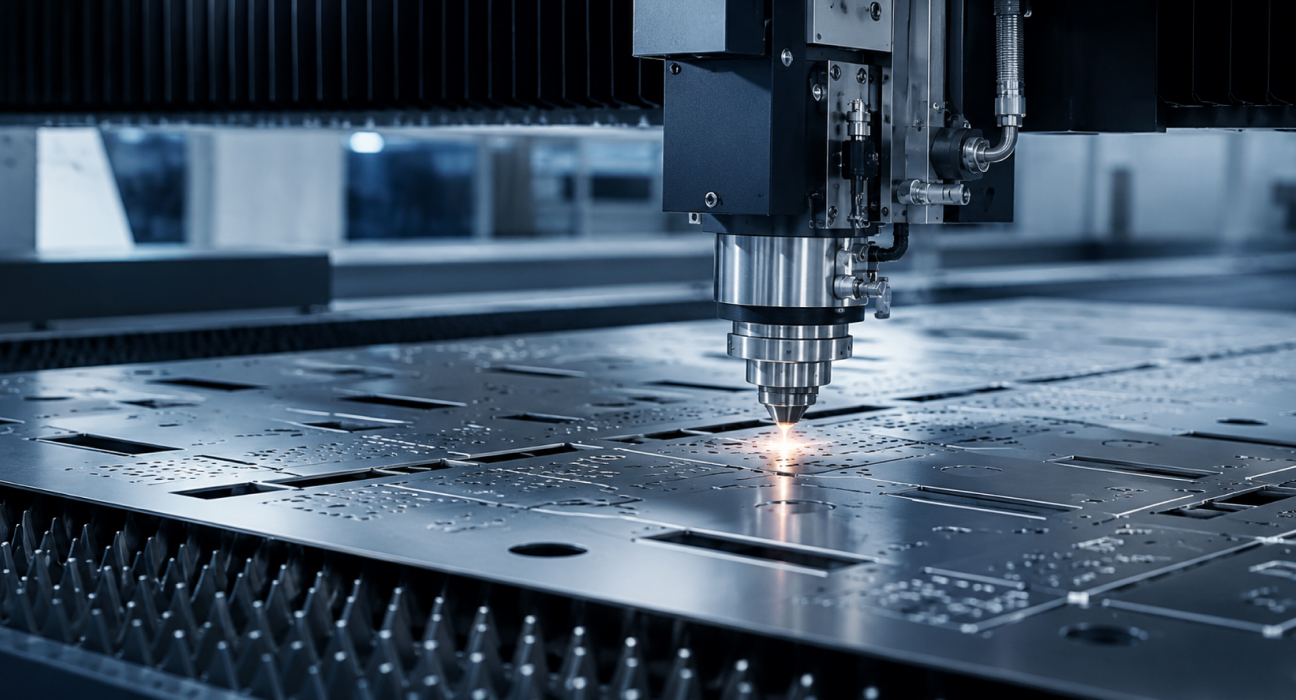
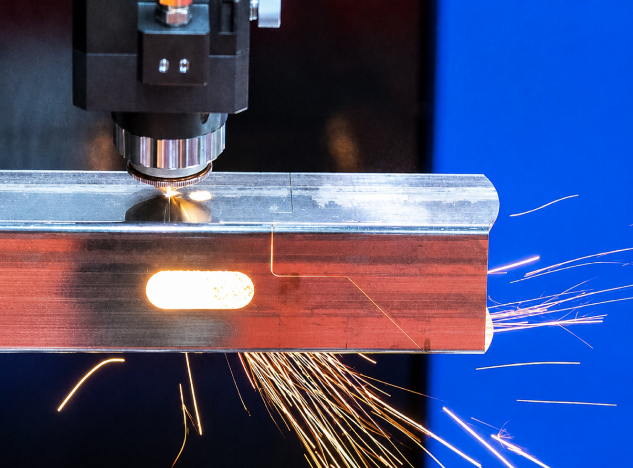
Fiber laser cutting is a process that uses a high-powered laser beam generated through optical fibers to cut metal with extreme precision. The laser is focused into a small, intense beam that melts or vaporises the material, while an assist gas removes molten material from the cut.
Unlike older laser technologies, fiber lasers use solid-state components, which makes them more energy-efficient and reliable. This results in faster cutting speeds, lower maintenance requirements, and improved overall performance.
How Fiber Lasers Differ from Traditional Methods
The key difference between fiber lasers and traditional cutting technologies lies in efficiency and performance.
CO₂ lasers rely on gas mixtures and mirrors to generate and direct the beam, which introduces energy loss and requires more maintenance. Plasma cutting, while effective for thicker materials, lacks the precision needed for detailed or high-quality finishes.
Fiber lasers, on the other hand, deliver energy directly through optical fibers, reducing losses and enabling a more focused, powerful beam. This translates into faster cutting speeds, higher accuracy, and better edge quality.
Advantages of Fiber Laser Cutting
One of the main reasons fiber laser cutting is replacing traditional methods is its ability to combine speed, precision, and efficiency in a single system.
Fiber lasers offer significantly faster cutting speeds, particularly when working with thin to medium sheet metal. This increases throughput and reduces production time.
They also produce clean, narrow cuts with minimal heat-affected zones, resulting in better edge quality and reduced need for post-processing.
From an operational standpoint, fiber lasers consume less energy and require less maintenance compared to CO₂ systems, making them more cost-effective over time.
Material Compatibility and Applications
Fiber laser cutting is highly versatile and can be used across a wide range of materials, including mild steel, stainless steel, aluminium, brass, and copper.
This flexibility makes it suitable for industries such as HVAC, switchgear manufacturing, automotive components, and general metal fabrication.
Manufacturers benefit from the ability to process different materials on the same machine without significant adjustments, improving workflow efficiency and reducing downtime.
The Role of Assist Gas in Fiber Laser Cutting
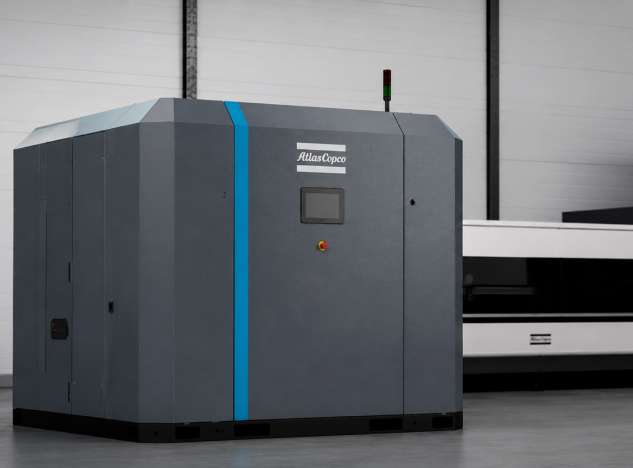
Assist gas plays a critical role in achieving optimal results with fiber laser cutting. Nitrogen is often used for applications requiring clean, oxide-free edges, while oxygen is used for faster cutting of mild steel.
For manufacturers using nitrogen regularly, on-site generation systems have become an increasingly important part of the process. These systems allow for consistent gas supply, reduced operating costs, and improved overall efficiency in production.
Automation and Smart Manufacturing
Modern fiber laser systems are not just standalone machines. They are increasingly integrated into automated production lines that include material handling, storage systems, and software integration.
This allows manufacturers to optimise workflow, reduce manual intervention, and increase overall productivity. Automation is becoming a key factor in why fiber laser technology is being adopted at such a rapid pace.
Industrial Fiber Laser Solutions
Manufacturers such as TRUMPF and JFY are leading providers of fiber laser cutting systems, offering solutions that combine performance, reliability, and advanced automation capabilities.
These systems are designed to handle a wide range of production requirements, from high-precision cutting to high-volume manufacturing. By integrating advanced laser technology with automation and software, they enable manufacturers to operate more efficiently and competitively.
Cost and Long-Term Value
While the initial investment in fiber laser cutting systems can be higher than traditional methods, the long-term benefits often outweigh the cost.
Reduced energy consumption, lower maintenance requirements, and increased productivity all contribute to a lower cost per part. In addition, improved cut quality reduces the need for secondary processes, further increasing efficiency.
For many manufacturers, the shift to fiber laser technology is driven by the need to improve both performance and profitability.
Conclusion
Fiber laser cutting has transformed modern sheet metal fabrication by offering a combination of speed, precision, and efficiency that traditional methods struggle to match.
As production demands continue to increase, manufacturers are turning to fiber laser technology to improve quality, reduce costs, and stay competitive in an evolving industry.
Looking to upgrade your cutting capabilities or explore fiber laser solutions?
Speak to our team to find the right system for your production needs.