
-
By admin
-
April 2, 2026
- 0 Comment
Laser Welding vs Traditional Welding: What’s the Difference and Which is Better?
Introduction
Welding remains a core process in metal fabrication, but the methods used are evolving rapidly. While traditional techniques such as MIG and TIG welding are still widely used, laser welding is gaining attention as a faster and more precise alternative.
Understanding the difference between laser welding vs traditional welding is essential for manufacturers looking to improve quality, reduce rework, and increase production efficiency.
What is Traditional Welding?
Traditional welding methods, including MIG and TIG welding, rely on an electric arc to generate heat and fuse materials together.
MIG welding is commonly used for its speed and ease of use, making it suitable for general fabrication and high-volume applications. TIG welding, on the other hand, offers greater control and precision, often used for thinner materials and high-quality finishes.
While these methods are reliable and well-established, they can be slower and more dependent on operator skill, which can lead to variability in results.
What is Laser Welding?
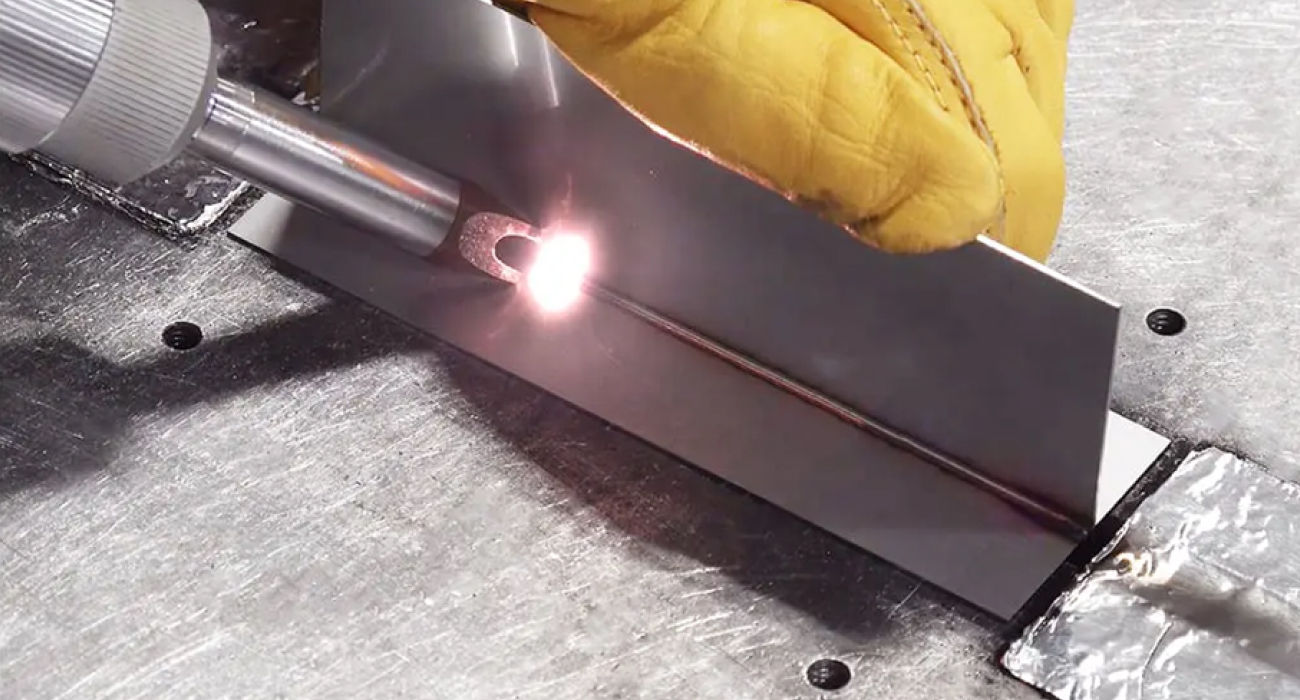
Laser welding uses a concentrated beam of light to fuse materials together with extreme precision.
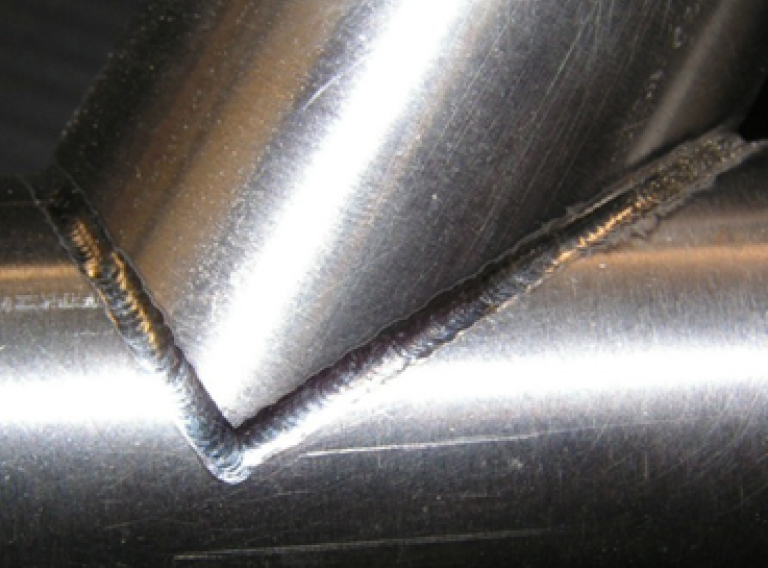
The laser generates a highly focused heat source, allowing for narrow weld seams and minimal heat-affected zones. This results in cleaner joints, reduced distortion, and improved overall consistency.
Modern laser welding systems, including handheld solutions, have made this technology more accessible for workshops of different sizes.
Key Differences Between Laser and Traditional Welding
The main difference between laser welding vs MIG/TIG welding lies in how heat is applied and controlled.
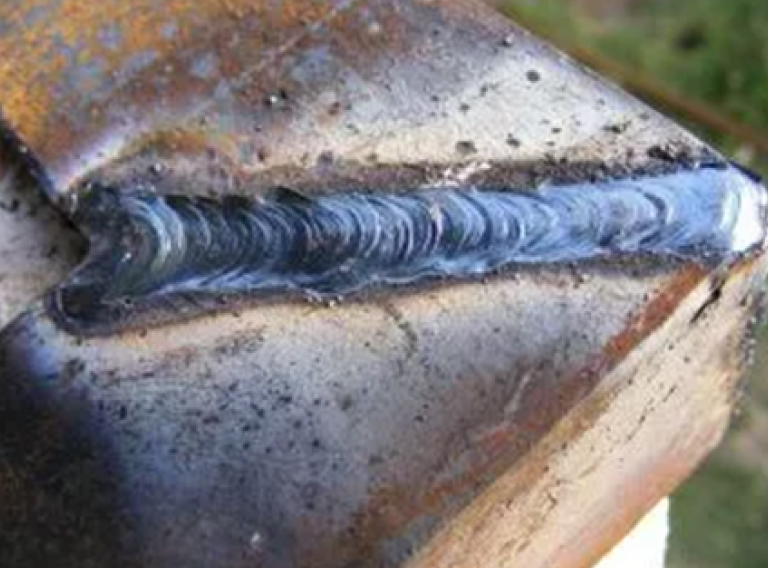
Traditional welding introduces a larger heat input into the material, which can lead to distortion, warping, and a wider heat-affected zone. Laser welding, by contrast, delivers a concentrated and controlled heat source, resulting in cleaner and more precise welds.
In terms of speed, laser welding can be significantly faster, particularly for thin materials and repetitive tasks. Traditional methods may still be more suitable for thicker materials or applications that require deeper penetration.
Quality and Consistency
One of the biggest advantages of laser welding is the level of consistency it provides.
Because the process is less dependent on operator technique, it produces more uniform results across multiple parts. This reduces variability and improves overall product quality.
Traditional welding can achieve excellent results, but it often requires a higher level of skill and experience. Inconsistent technique can lead to defects such as uneven welds, excess spatter, or weak joints.
Speed and Productivity
Laser welding offers a clear advantage in terms of speed.
The focused energy of the laser allows for faster welding with less preparation and finishing work. This can significantly reduce cycle times, particularly in production environments where efficiency is critical.
Traditional welding methods are generally slower and may require additional steps such as cleaning, grinding, or rework, which can impact overall productivity.
Cost Considerations
When comparing laser welding vs traditional welding, cost is often a key factor.
Traditional welding equipment typically has a lower upfront cost, making it more accessible for smaller operations. However, ongoing costs related to labour, rework, and consumables can add up over time.
Laser welding systems require a higher initial investment, but they can reduce long-term costs by improving efficiency, minimising rework, and increasing throughput. For many manufacturers, this results in a lower cost per part over time.
The Role of Welding Consumables
Even with advanced welding technologies, consumables remain an important factor in achieving consistent results.
In traditional welding, the quality of welding wire directly affects arc stability, spatter levels, and overall weld strength. Using high-quality welding wire helps ensure cleaner welds and reduces the need for rework.
While laser welding typically uses fewer consumables, overall process quality still depends on maintaining the right parameters and setup.
When Should You Use Each Method?
Laser welding is ideal for applications that require high precision, clean finishes, and fast processing speeds. It is particularly effective for thin materials, detailed components, and production environments where consistency is critical.
Traditional welding methods remain valuable for thicker materials, structural applications, and situations where flexibility and lower upfront investment are priorities.
In many workshops, both methods are used depending on the specific requirements of the job.
Modern Welding Solutions
Advancements in welding technology have made it easier for manufacturers to choose the right solution for their operations.
Laser welding systems, such as those offered by HeroLaser, provide a combination of speed, precision, and ease of use. At the same time, high-quality consumables, including welding wire, continue to play a critical role in maintaining consistent performance in traditional welding processes.
By selecting the right combination of equipment and materials, manufacturers can optimise both quality and efficiency.
Conclusion
Both laser welding and traditional welding have their place in modern fabrication. The right choice depends on the specific application, material, and production requirements.
Laser welding offers clear advantages in speed, precision, and consistency, while traditional methods provide flexibility and lower upfront costs.
Understanding these differences allows manufacturers to make informed decisions and improve overall production performance.
Considering upgrading your welding process or exploring laser welding solutions?
Speak to our team to find the right setup for your workshop.