
-
By admin
-
March 18, 2026
- 0 Comment
What is Industrial Automation in Manufacturing and Why It Matters Today
Introduction
Industrial automation has become a central focus for manufacturers looking to improve efficiency, reduce costs, and stay competitive in a rapidly evolving market. As production demands increase and margins tighten, relying on manual processes alone is no longer sustainable.
Understanding what industrial automation is and how it impacts manufacturing is essential for businesses aiming to scale operations while maintaining consistency and quality.
What is Industrial Automation?
Industrial automation refers to the use of machines, control systems, and software to perform manufacturing processes with minimal human intervention.
Rather than relying on manual operation at every stage, automated systems handle repetitive tasks such as material handling, processing, and part movement. This allows production to run more efficiently, with greater consistency and reduced reliance on manual labour.
Automation can range from simple machine integration to fully connected production lines where multiple systems work together seamlessly.
Why Automation is Becoming Essential
Manufacturers today face increasing pressure to produce more in less time while maintaining high standards of quality.
Manual processes often introduce variability, slower cycle times, and a higher risk of errors. As production volumes increase, these inefficiencies become more difficult to manage.
Automation addresses these challenges by improving consistency, reducing downtime, and enabling faster, more predictable production. It allows manufacturers to meet demand without proportionally increasing labour or operational complexity.
The Role of Software in Automation
Automation is no longer just about machines. Software plays a critical role in connecting and controlling the entire production environment.
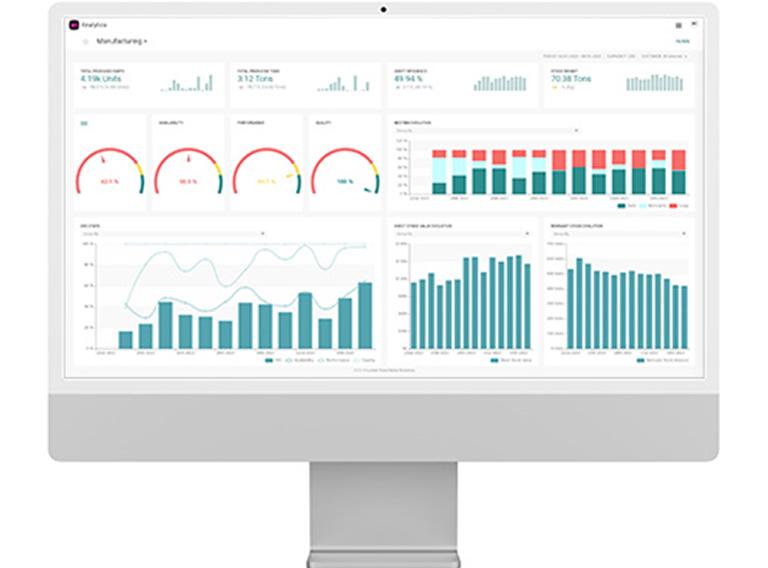
Modern systems allow manufacturers to monitor machine performance, track production data, and optimise workflows in real time. This level of visibility helps identify bottlenecks, reduce inefficiencies, and improve decision-making across the operation.
Software platforms such as production management systems and machine integration tools enable different machines to communicate, creating a more coordinated and efficient workflow.
Key Areas Where Automation Improves Performance
Automation can improve multiple aspects of a manufacturing operation.
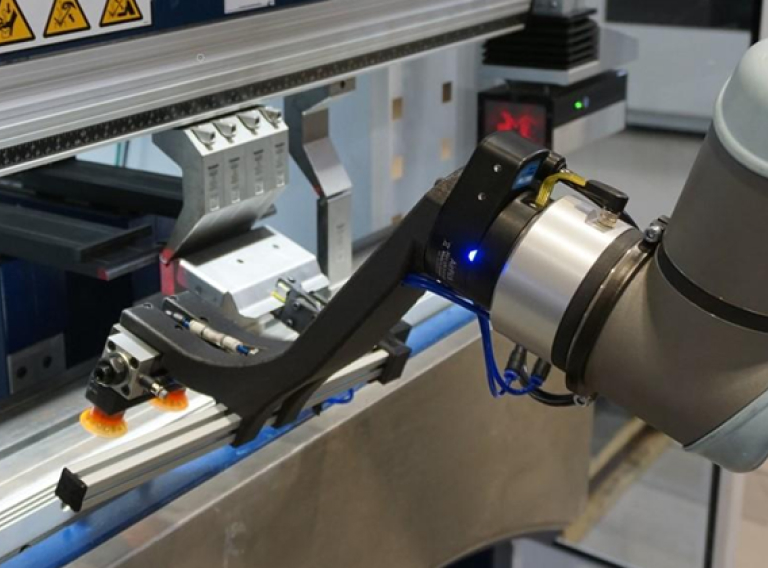
In material handling, automated systems reduce manual movement and ensure consistent flow between processes. In processing, machines operate with high precision and repeatability, reducing variation and defects.
Workflow optimisation is another major benefit. By connecting different stages of production, automation minimises delays and ensures that each process runs in sync with the next.
Together, these improvements lead to higher throughput, better quality, and more efficient use of resources.
Automation in Sheet Metal Fabrication
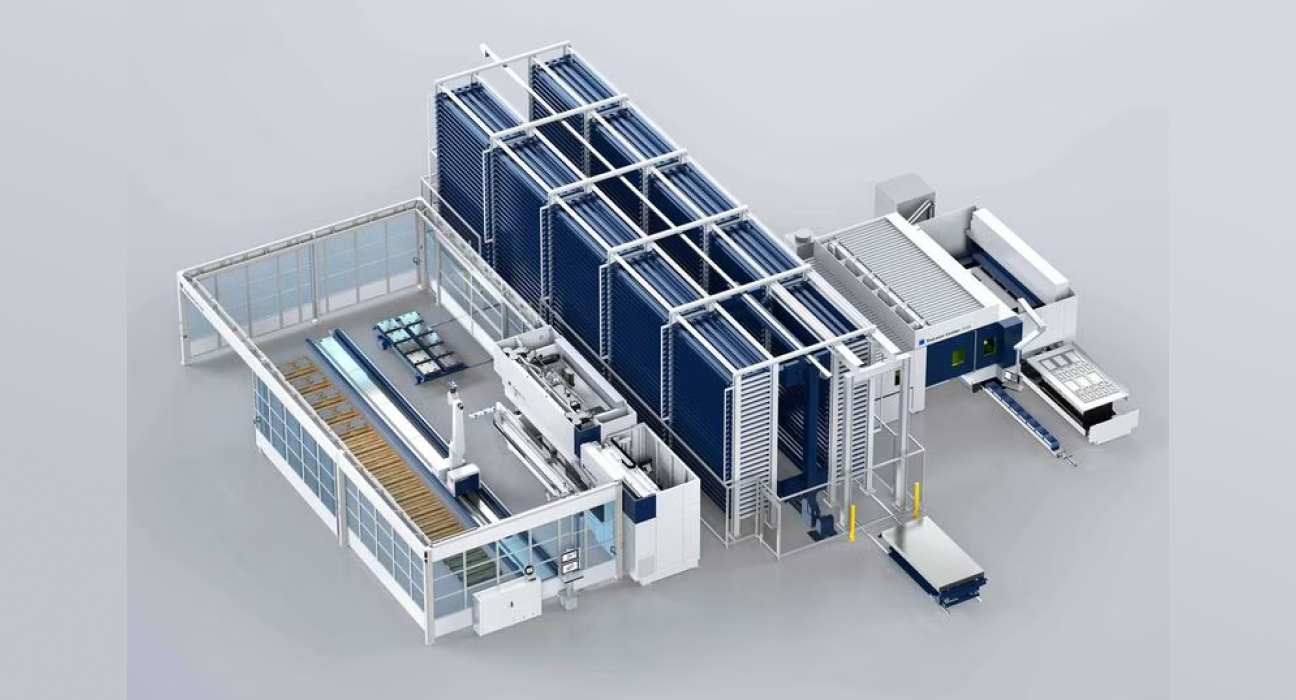
In sheet metal environments, automation is increasingly used to connect processes such as cutting, bending, and material handling.
Laser cutting systems can be integrated with automated loading and unloading systems, reducing manual intervention and increasing machine utilisation. Bending operations can also be optimised through automated tool changes and part handling.
When combined with software, these systems create a more streamlined workflow, allowing manufacturers to process higher volumes with greater consistency.
Common Challenges in Implementing Automation
Despite its benefits, automation is not always straightforward to implement.
One of the most common challenges is integrating new systems with existing equipment. Without proper planning, automation can create new bottlenecks instead of eliminating them.
Another issue is overcomplicating the process. Some manufacturers invest in advanced systems without fully understanding their workflow needs, leading to underutilised equipment.
Successful automation requires a clear understanding of production requirements and a structured approach to implementation.
Taking a Practical Approach to Automation
The most effective automation strategies are not built overnight.
Instead of attempting a full transformation immediately, many manufacturers start by automating specific areas where inefficiencies are most visible. This could be material handling, a high-volume process, or a stage that frequently causes delays.
By gradually integrating automation and aligning it with existing workflows, manufacturers can achieve measurable improvements without unnecessary disruption.
Conclusion
Industrial automation is no longer a future concept — it is a practical necessity for modern manufacturing.
By combining machines, software, and optimised workflows, automation allows manufacturers to improve efficiency, maintain quality, and scale operations effectively.
For businesses looking to stay competitive, understanding and implementing automation is a key step toward long-term success.
Looking to explore automation solutions for your production environment?
Speak to our team to identify practical opportunities to improve efficiency and workflow performance.