
-
By admin
-
November 23, 2025
- 0 Comment
What is Deburring and Why It Matters in Sheet Metal Fabrication
Introduction
In sheet metal fabrication, cutting processes such as laser cutting, punching, and machining often leave behind sharp edges or unwanted material known as burrs. While these imperfections may seem minor, they can have a significant impact on product quality, safety, and downstream processes.
Understanding what deburring is and why it matters is essential for any manufacturer looking to improve consistency, reduce rework, and maintain high production standards.
What is Deburring?
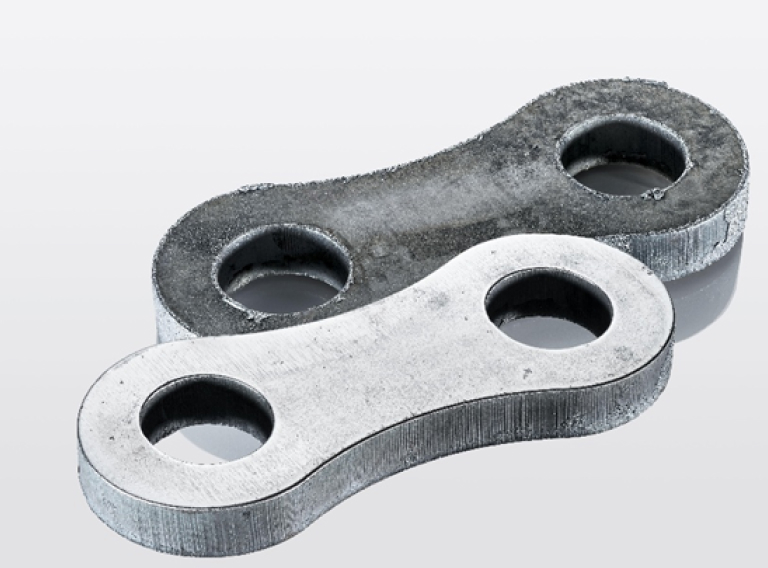
Deburring is the process of removing sharp edges, raised material, and surface irregularities from metal components after cutting or machining. These burrs are typically formed when material is displaced rather than cleanly cut, leaving behind rough or uneven edges.
The goal of deburring is to produce a smooth, safe, and uniform edge that meets both functional and aesthetic requirements. This process can be applied to a wide range of materials, including steel, stainless steel, and aluminium.
Why Burrs Are a Problem
Burrs are more than just a cosmetic issue. In many cases, they directly affect the usability and quality of a component.
Sharp edges can create safety risks during handling, increasing the likelihood of injuries in both production and assembly environments. In addition, burrs can interfere with how parts fit together, leading to alignment issues or reduced assembly efficiency.
From a finishing perspective, burrs can also prevent proper coating, painting, or welding. Surface irregularities may result in poor adhesion or inconsistent finishes, which can compromise both performance and appearance.
Over time, these issues lead to increased rework, wasted materials, and higher production costs.
How Deburring Improves Manufacturing Quality
Deburring plays a critical role in improving overall production quality. By removing unwanted material and smoothing edges, manufacturers can achieve more consistent part dimensions and better surface finishes.
This directly improves downstream processes. Components that are properly deburred are easier to weld, coat, and assemble, reducing the need for additional manual work.
It also enhances product reliability. Clean edges reduce the risk of stress points or defects, which can be particularly important in industries where performance and durability are critical.
Manual vs Automated Deburring
Deburring can be carried out manually or through automated systems, but the difference in efficiency and consistency is significant.
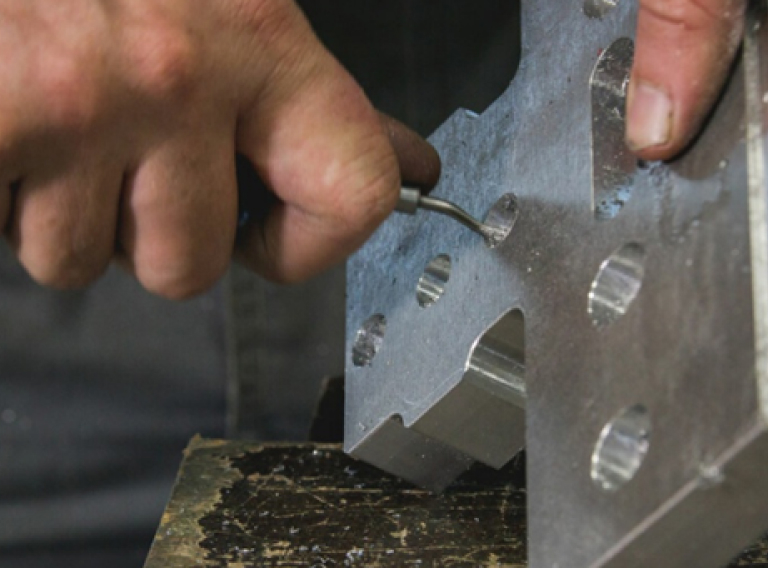
Manual deburring methods, such as grinding or sanding, are often time-consuming and heavily dependent on operator skill. This can lead to inconsistent results, especially in high-volume production environments.
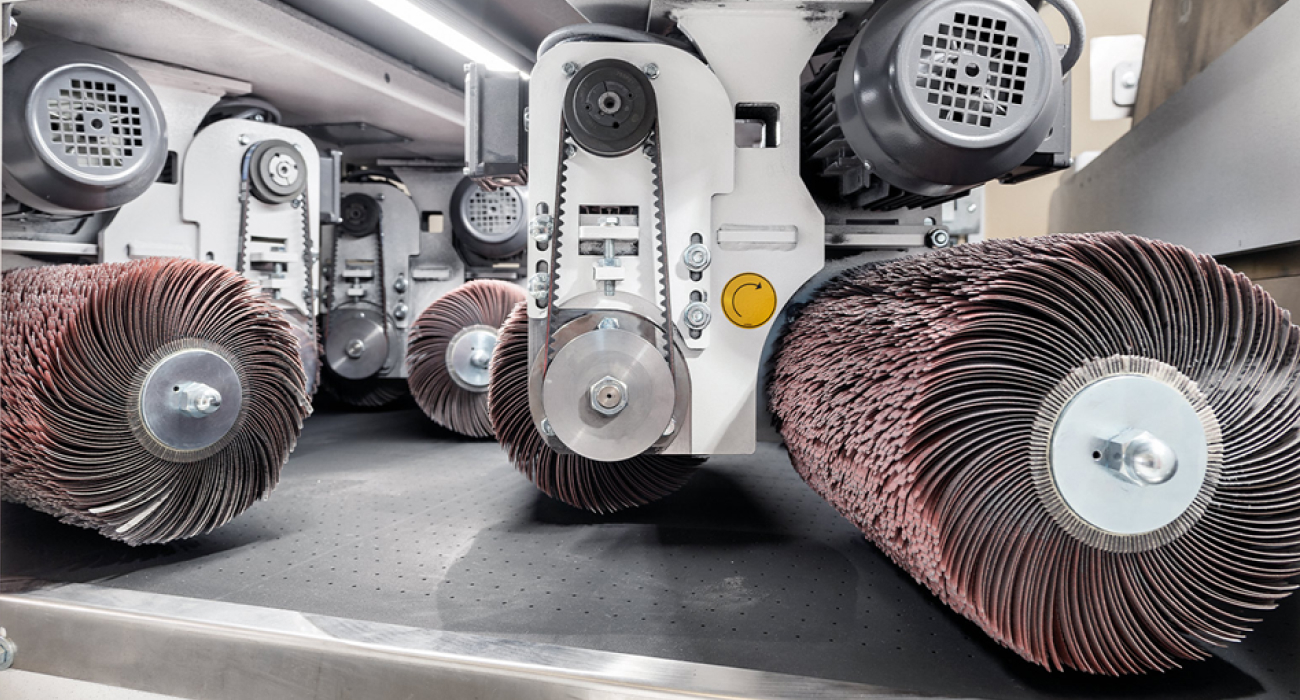
Automated deburring machines provide a more reliable and scalable solution. These systems are designed to process components consistently, ensuring uniform edge quality across large batches. They also reduce labour requirements and improve overall production efficiency.
Deburring and Edge Rounding
In many applications, deburring is combined with edge rounding. While deburring focuses on removing sharp edges, edge rounding creates a smooth, controlled radius along the edge of the part.
This is particularly important for components that will undergo coating or welding, as rounded edges improve adhesion and reduce the risk of coating defects. It also enhances safety and handling, making parts easier to work with throughout the production process.
Industrial Deburring Solutions
Modern manufacturing environments require consistent, high-quality results at scale. This has led to increased adoption of advanced deburring systems designed for sheet metal processing.
Solutions from manufacturers such as LISSMAC are widely used to automate both deburring and edge rounding processes. These systems are capable of processing both sides of a component in a single pass, improving efficiency while maintaining consistent results.
By integrating deburring into the production workflow, manufacturers can reduce bottlenecks, improve part quality, and optimise overall operations.
Cost and Efficiency Considerations
Although deburring may be seen as a secondary process, it has a direct impact on overall production costs.
Failing to properly remove burrs can lead to defects, rework, and delays in downstream processes. On the other hand, investing in efficient deburring solutions can significantly reduce manual labour, improve throughput, and minimise waste.
For many manufacturers, the cost of not deburring properly is far greater than the cost of implementing the right solution.
Conclusion
Deburring is a critical step in sheet metal fabrication that directly affects product quality, safety, and production efficiency.
By removing burrs and improving edge quality, manufacturers can streamline downstream processes, reduce rework, and deliver more consistent results. As production demands increase, automated deburring solutions are becoming essential for maintaining high standards and staying competitive
Looking to improve part quality and reduce rework in your production?
Speak to our team to explore deburring and edge rounding solutions tailored to your application.