
-
By admin
-
October 5, 2025
- 0 Comment
Laser Cutting vs Plasma Cutting: Cost, Accuracy, and Application Comparison
Introduction
When comparing laser cutting vs plasma cutting, manufacturers need to consider more than just cutting capability. The choice between these two processes directly impacts part quality, production efficiency, and overall cost per part.
Both technologies are widely used in metal fabrication, but they differ significantly in precision, speed, and application suitability. Understanding these differences is essential when selecting the right cutting method for your operation.
What is Laser Cutting?
Laser cutting uses a focused high-powered beam to melt or vaporise material. Assist gases such as nitrogen or oxygen are used to improve cut quality and cutting speed.
Modern fiber laser cutting machines, such as those from TRUMPF, are commonly used for high-precision sheet metal applications where accuracy and repeatability are critical.
What is Plasma Cutting?
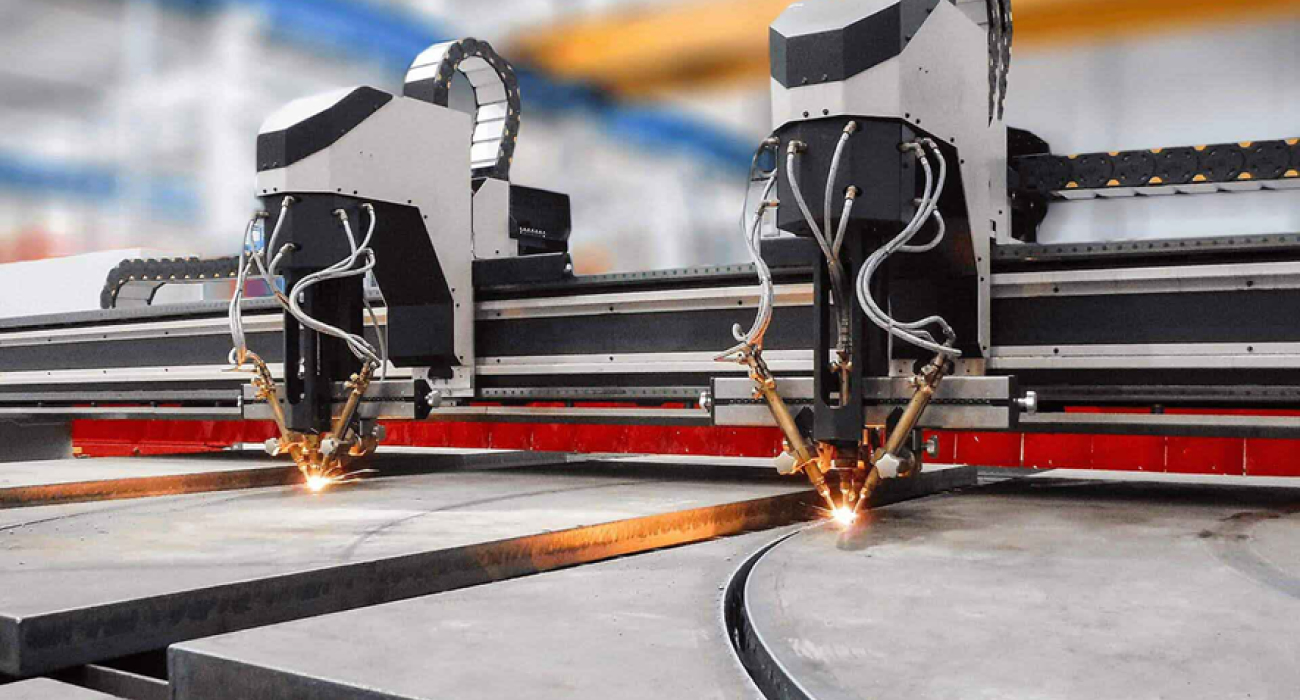
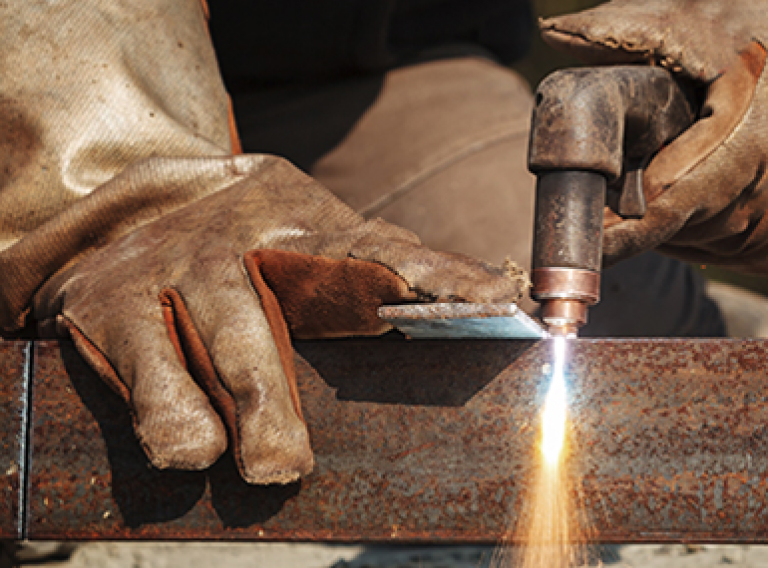
Plasma cutting uses an electrically ionised gas (plasma arc) to cut through conductive materials. The process generates extremely high temperatures, making it effective for thicker materials and heavy-duty applications.
Plasma cutting machines, such as TECOI systems, are typically used in structural steel fabrication and industrial environments where cutting capacity is prioritised over precision.
Laser Cutting vs Plasma Cutting: Accuracy and Edge Quality
One of the main differences between laser cutting and plasma cutting is precision.
Laser cutting typically achieves tolerances of ±0.1 mm to ±0.3 mm, producing clean, burr-free edges with minimal heat-affected zones. This often eliminates the need for additional finishing.
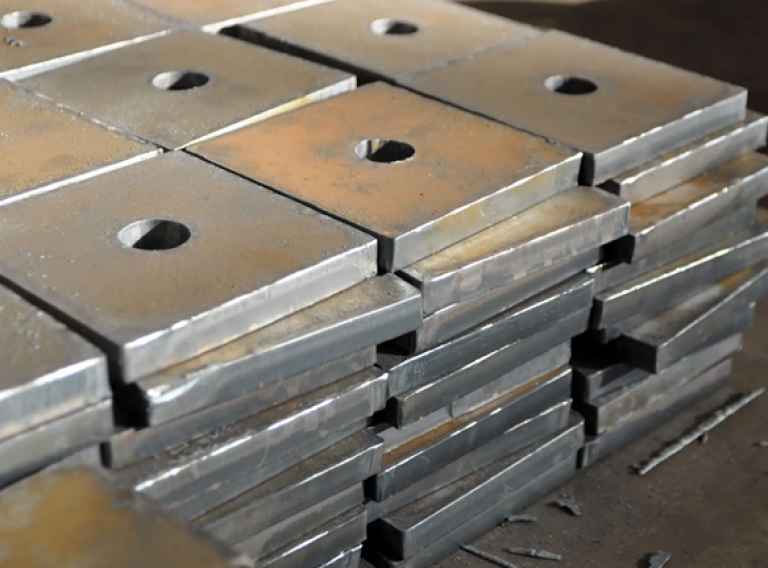
Plasma cutting operates with lower precision, typically ±0.5 mm to ±1.5 mm. It produces a wider kerf, rougher edges, and more heat distortion, often requiring grinding or machining after cutting.
For applications requiring tight tolerances and high-quality finishes, laser cutting is generally the preferred option.
Material Thickness: Laser vs Plasma Cutting
Material thickness is a key factor when deciding between laser cutting vs plasma cutting.
Laser cutting is best suited for:
- thin to medium thickness materials
- stainless steel and aluminium
- complex geometries and precision parts
Plasma cutting is more suitable for:
- thick plate (typically 10 mm to 50+ mm)
- structural steel
- heavy fabrication applications
In many fabrication environments, both technologies are used. Fiber laser systems handle precision sheet metal work, while plasma systems are used for thicker materials.
Cost Comparison: Laser Cutting vs Plasma Cutting
When evaluating laser cutting vs plasma cutting cost, it is important to consider total cost per part, not just machine price.
Laser cutting machines typically have a higher upfront cost but offer:
- lower material waste
- minimal post-processing
- reduced labour requirements
Plasma cutting machines have a lower initial investment but often involve:
- higher consumable wear
- more finishing work
- increased labour costs
For high-volume, precision production, laser cutting often delivers better long-term value. Plasma cutting can be more cost-effective for thick materials where precision is less critical.
Speed and Productivity
Cutting speed depends on material thickness.
Laser cutting is faster and more efficient for thin materials, offering consistent quality and high productivity. As material thickness increases, plasma cutting becomes more competitive and can achieve faster cutting speeds.
However, productivity is not only about speed. Laser cutting systems often provide better repeatability, faster setup, and easier integration with automation, all of which improve overall production efficiency.
Applications of Laser Cutting vs Plasma Cutting
Laser cutting is commonly used in: Laser cutting machines typically have a higher upfront cost but offer:
- HVAC manufacturing
- electrical enclosures
- automotive components
- precision sheet metal fabrication
Plasma cutting is widely used in:
- structural steel fabrication
- shipbuilding
- heavy equipment manufacturing
- large plate processing
Laser Cutting vs Plasma Cutting: Which Should You Choose?
The decision between laser cutting vs plasma cutting depends on your production requirements.
Choose laser cutting if:
- precision and edge quality are critical
- you produce high volumes
- you want to minimise post-processing
Choose plasma cutting if:
- you are cutting thick materials
- precision is less important
- you want a lower initial investment
Many manufacturers use both technologies depending on the application.
Conclusion
Both laser cutting and plasma cutting play important roles in modern fabrication. The right choice depends on material thickness, required precision, and overall cost per part.
Selecting the correct process ensures efficient production, consistent quality, and long-term operational performance.